
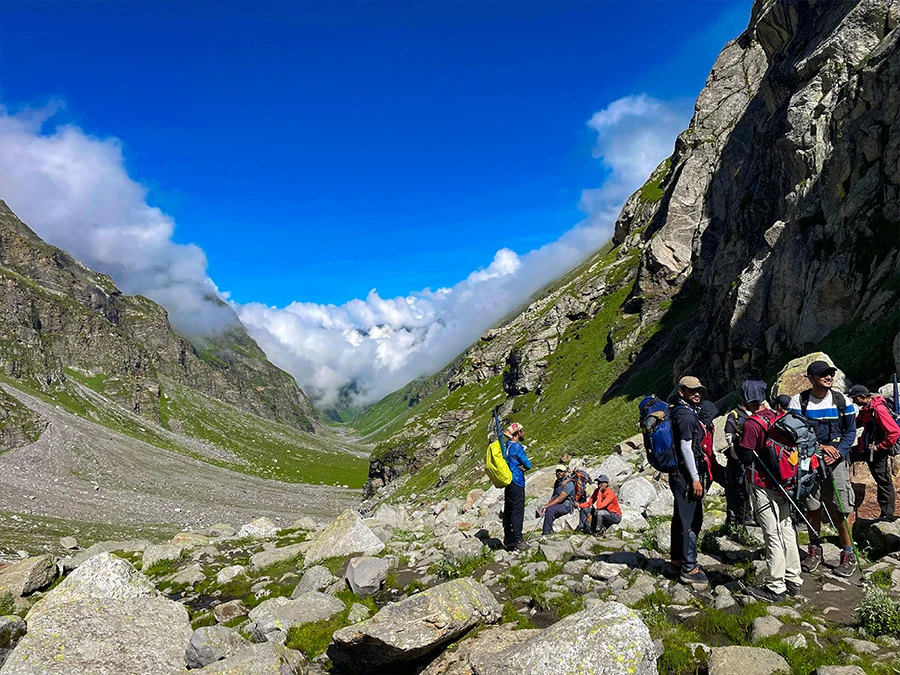
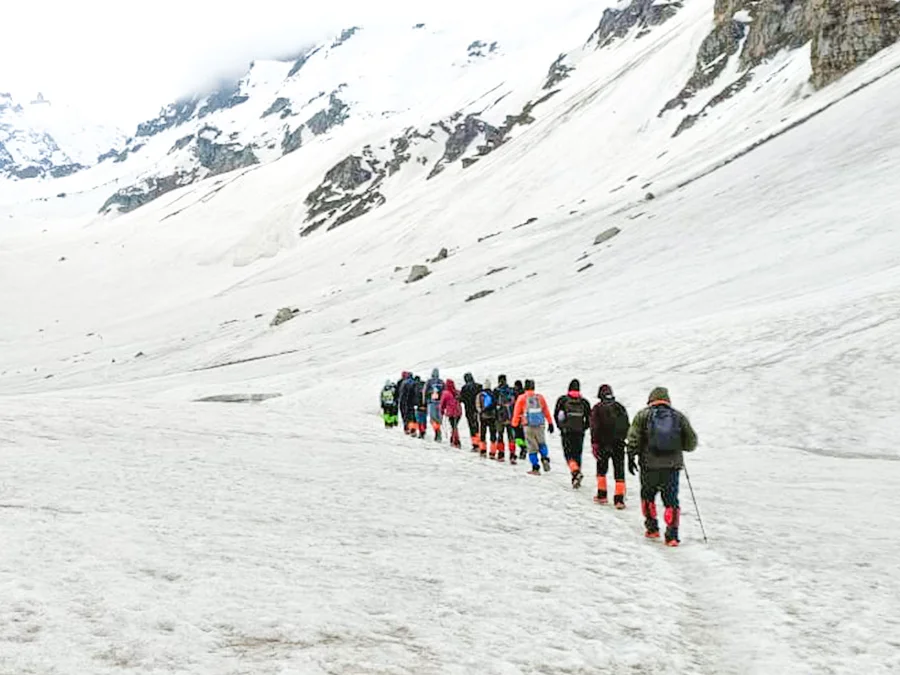
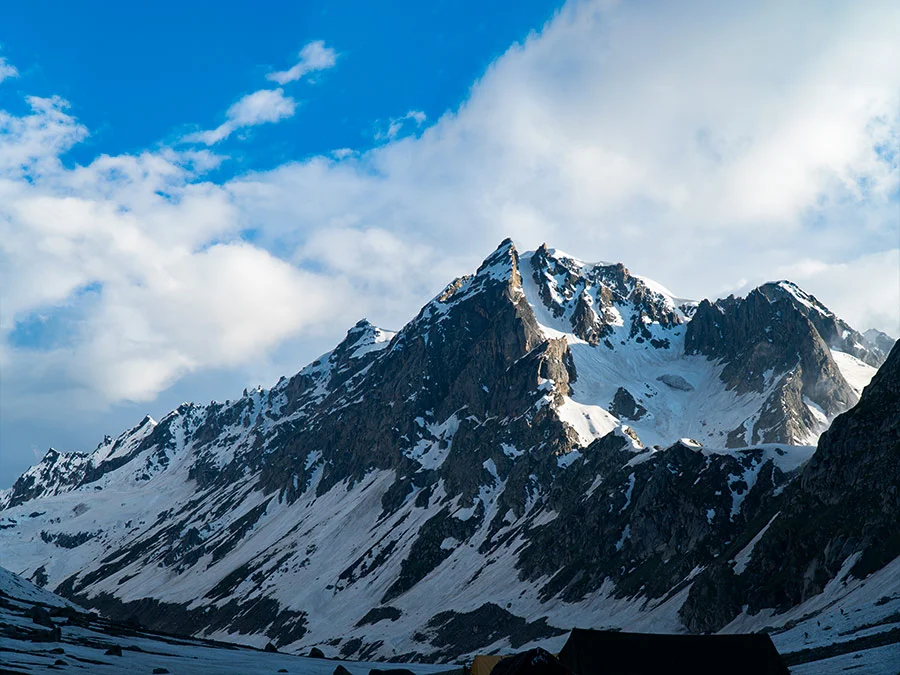
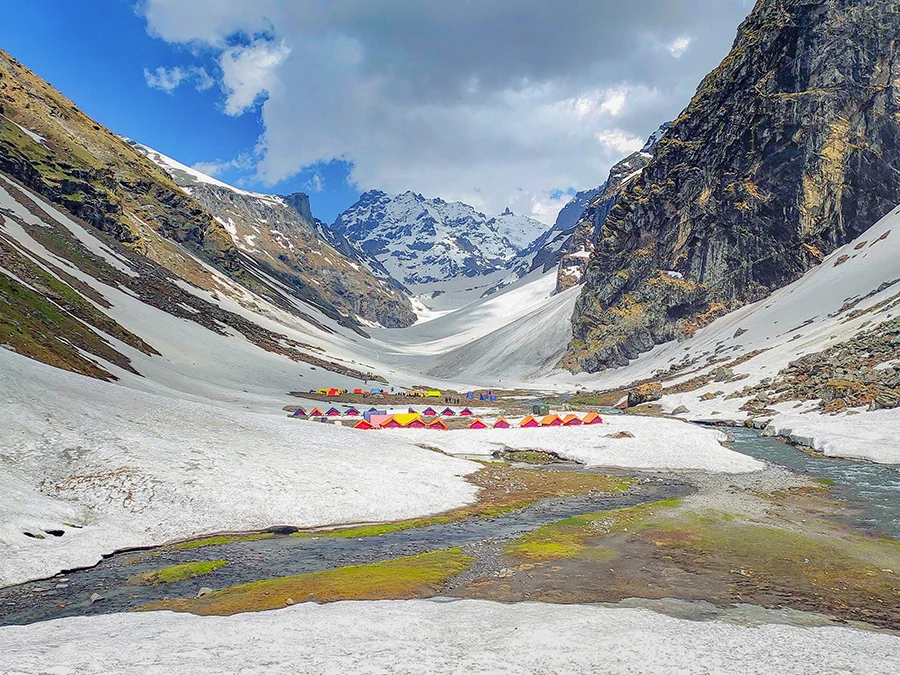
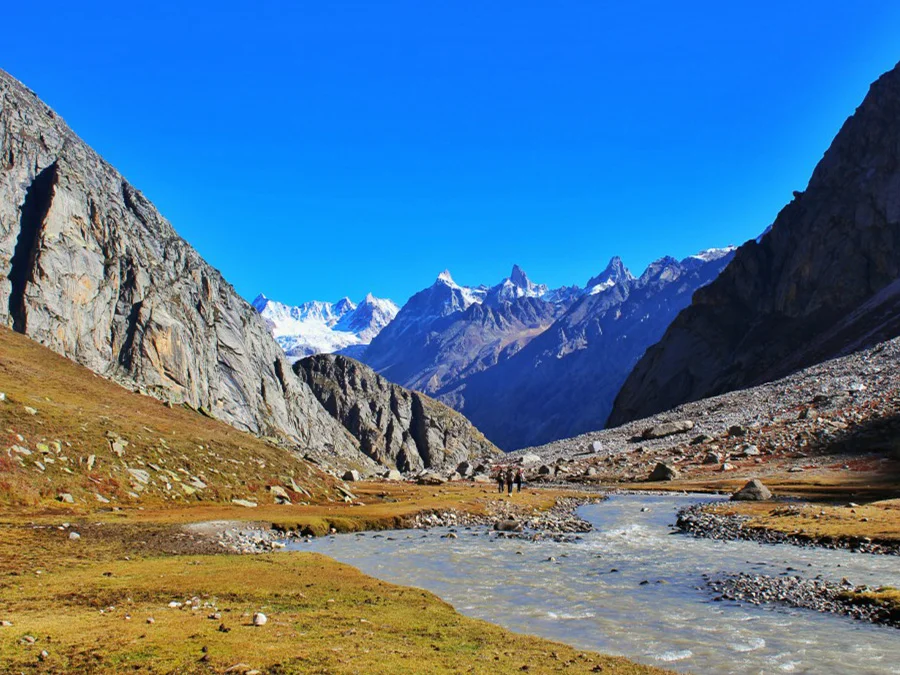
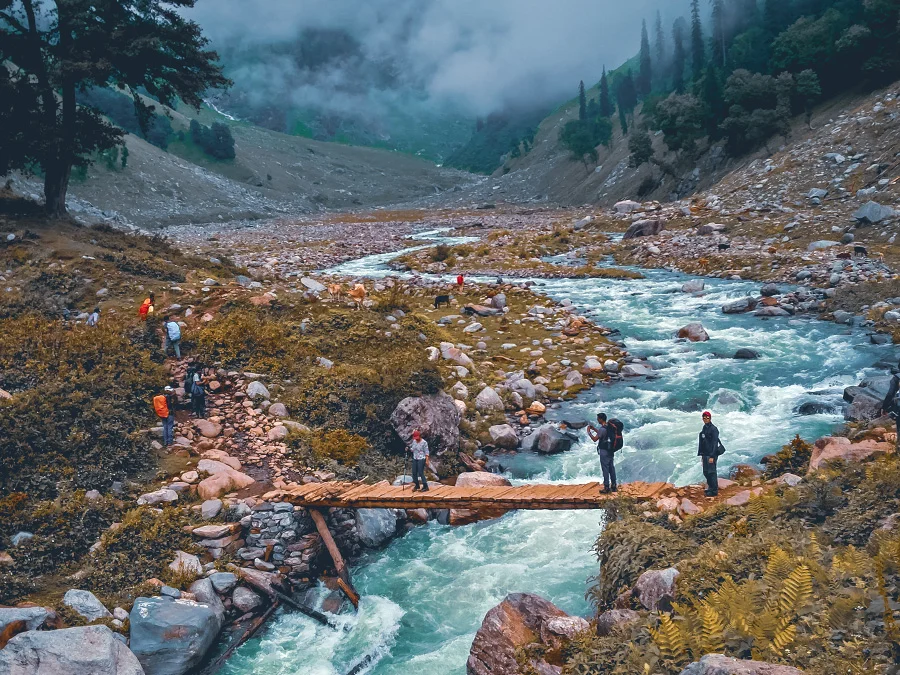
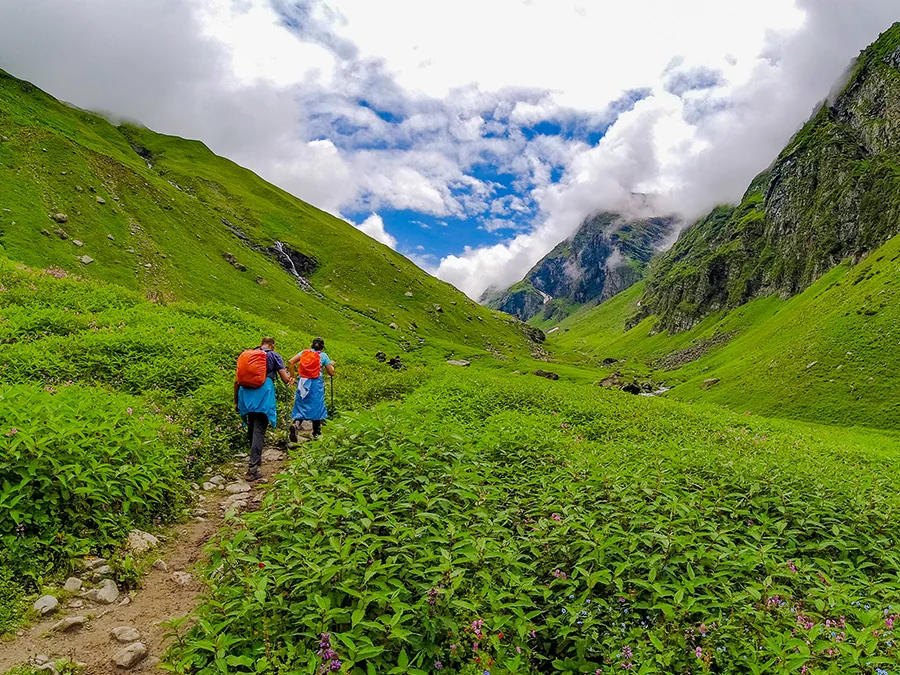
The Hampta Pass Trek is one of the most dramatic and rewarding high-altitude treks in Himachal Pradesh, offering trekkers a rare opportunity to experience two completely contrasting landscapes in a single journey. On one side lies the lush green Kullu Valley, rich with forests, rivers, and alpine meadows. On the other side awaits the stark, cold desert terrain of Lahaul–Spiti, with barren mountains, glacial valleys, and vast open skies.
Perfect for beginners and equally loved by experienced trekkers, Hampta Pass is a classic Himalayan crossover trek that combines adventure, beauty, and accessibility. Add to that the magical visit to Chandratal Lake, and the trek becomes an unforgettable experience.
Overview of Hampta Pass Trek
- Region: Himachal Pradesh
- Trek Type: Himalayan crossover trek
- Duration: 4–6 days (with Chandratal)
- Maximum Elevation: ~14,100 ft (4,298 m)
- Starting Point: Jobra / Manali
- Ending Point: Chatru (Lahaul Valley)
- Difficulty Level: Easy to Moderate
- Best Time: June to September
Why Hampta Pass Trek Is Special
What sets the Hampta Pass trek apart is its dramatic shift in scenery within just a few days. Trekkers walk through:
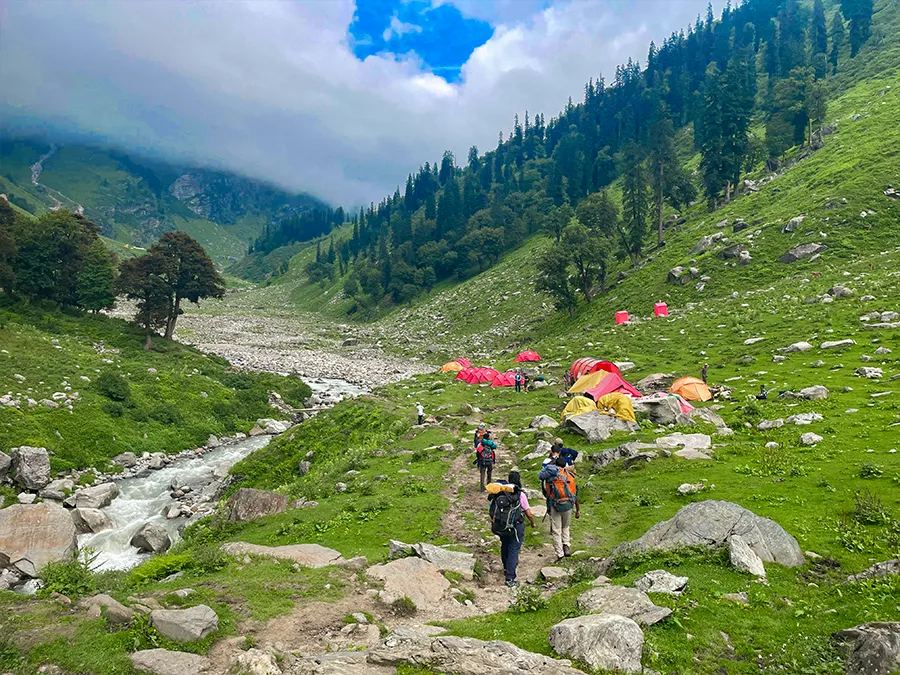
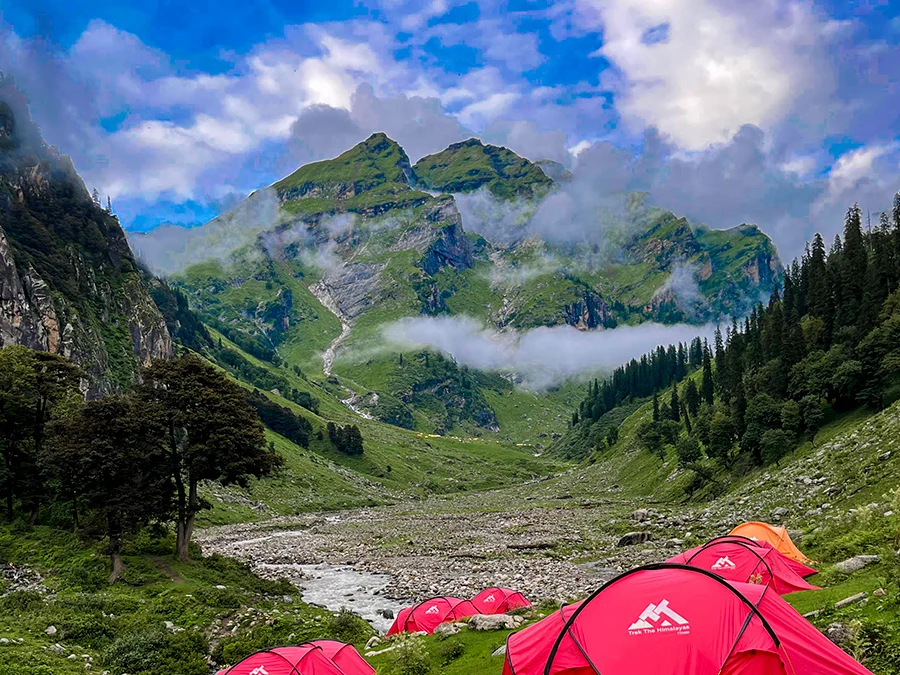
- Dense pine and deodar forests
- Rolling green meadows
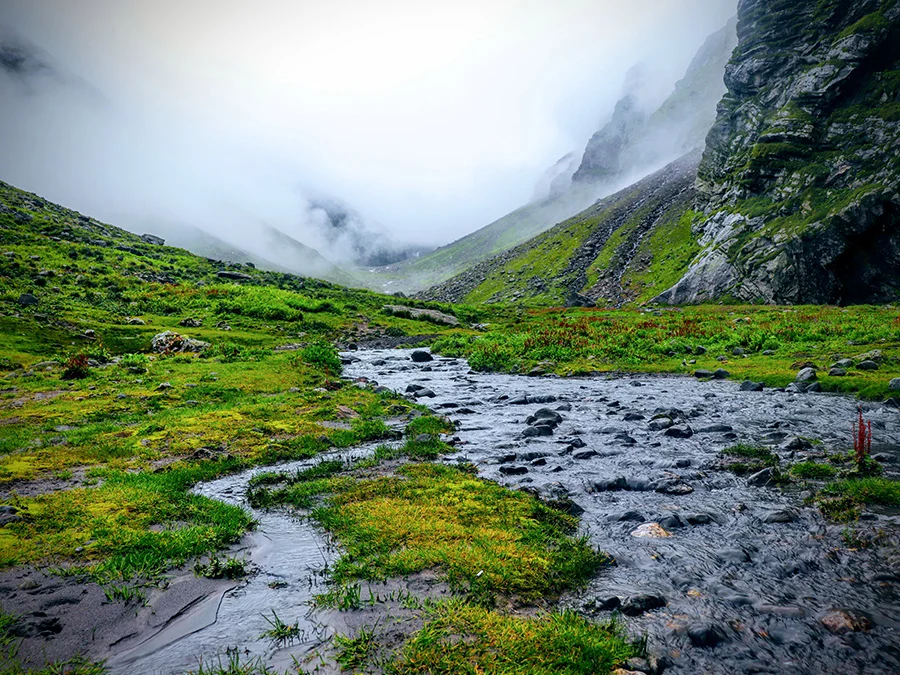
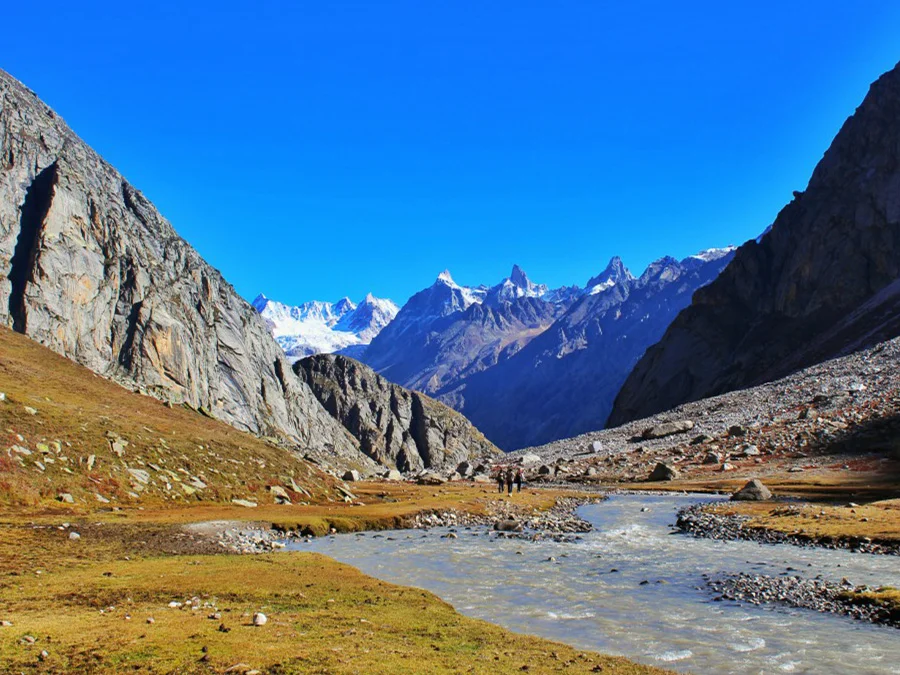
- Glacier streams and snow bridges
- A high mountain pass surrounded by snow walls
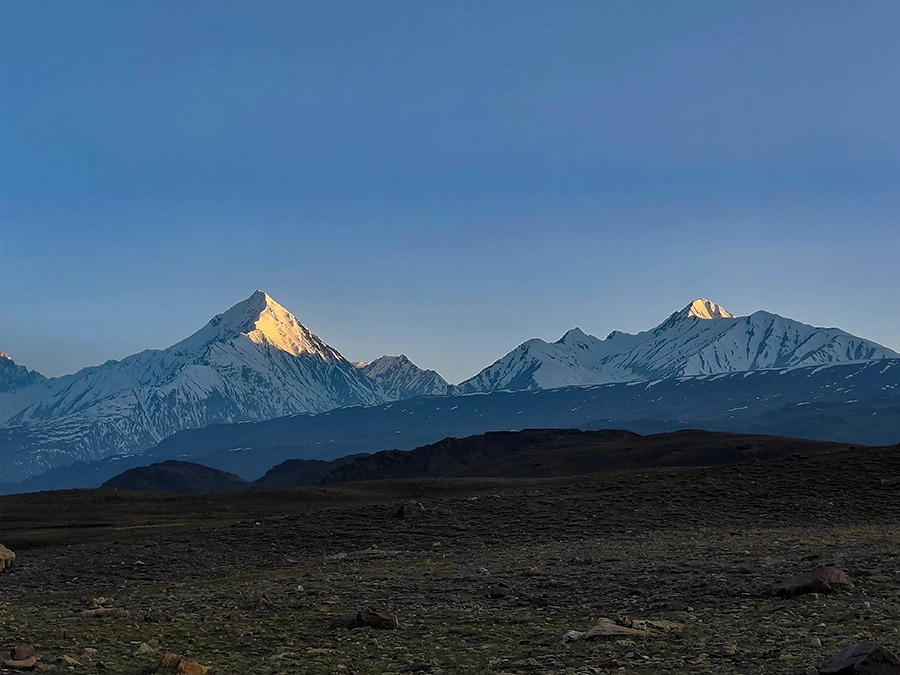
- The arid, moon-like terrain of Spiti
Few treks in India offer such diversity in landscapes over a short distance, making it ideal for those with limited time but a strong desire for a true Himalayan experience.
Hampta Pass Trek Location & Geography
Hampta Pass connects the Kullu Valley to the Lahaul Valley, acting as a natural corridor between two distinct Himalayan regions.
- Kullu Valley: Green, moist, forested, and river-fed
- Lahaul–Spiti: Cold desert, minimal vegetation, rugged mountains
This stark contrast becomes most visible the moment you cross the pass—an experience many trekkers describe as walking into a different world.
Hampta Pass Trek Elevation Profile
Understanding the elevation is important for acclimatization:
| Location | Approx. Elevation |
|---|---|
| Manali | 6,700 ft |
| Jobra | 9,800 ft |
| Chika | 10,100 ft |
| Balu Ka Ghera | 11,900 ft |
| Hampta Pass | 14,100 ft |
| Shea Goru | 12,000 ft |
| Chatru | 11,000 ft |
The gradual ascent makes altitude gain manageable, which is why Hampta Pass is often recommended as a first high-altitude trek.
Detailed Hampta Pass Trek Itinerary
Day 1: Manali to Jobra, Trek to Chika
- Drive from Manali to Jobra (about 1.5 hours)
- Trek through forests and grasslands
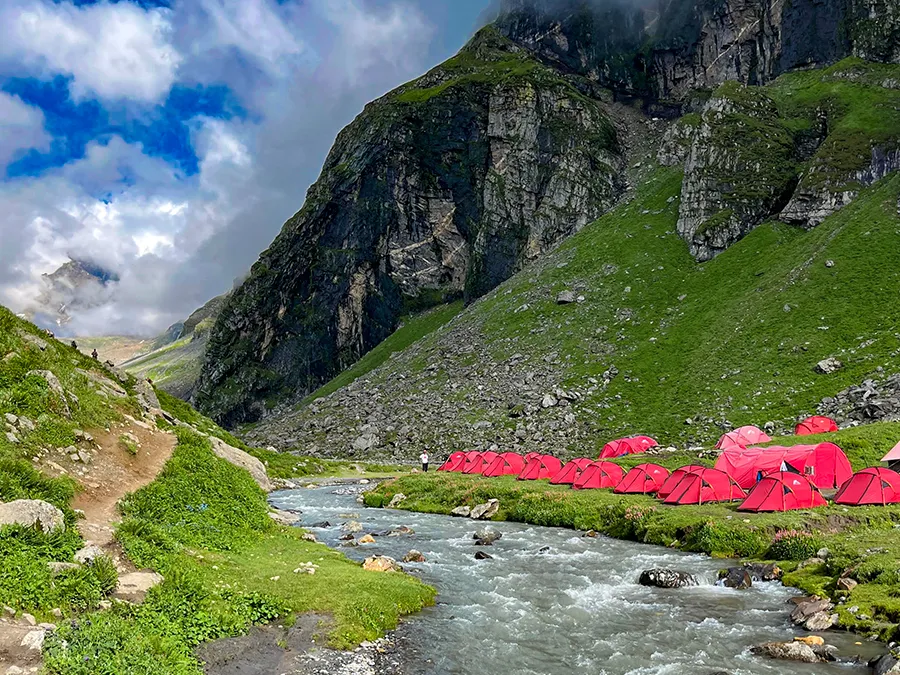
- Camp at Chika, beside the Rani Nallah stream
Highlights: Pine forests, river crossings, easy trail
Day 2: Chika to Balu Ka Ghera
- Gradual ascent through open meadows
- Snow patches early in the season
- Camp at Balu Ka Ghera, surrounded by towering mountains
Highlights: Alpine views, glacier streams, wide valleys
Day 3: Balu Ka Ghera to Hampta Pass to Shea Goru
- Steep climb to Hampta Pass
- Panoramic views of Lahaul Valley
- Descent into a stark, rocky landscape
- Camp at Shea Goru
Highlights: Snow walls, pass crossing, landscape transformation
Day 4: Shea Goru to Chatru, Drive to Chandratal (Optional)
- Easy descent to Chatru
- Drive to Chandratal Lake if weather permits
Highlights: Spiti river, dramatic mountain terrain
Day 5: Chandratal to Manali
- Sunrise at Chandratal
- Return drive via Rohtang Pass
Chandratal Lake – The Perfect Add-On
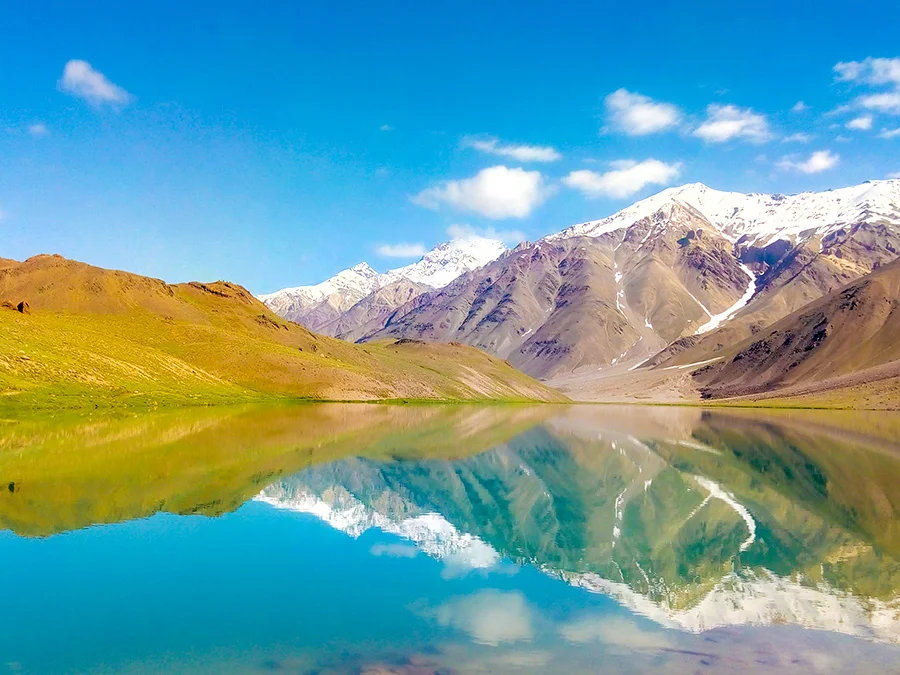
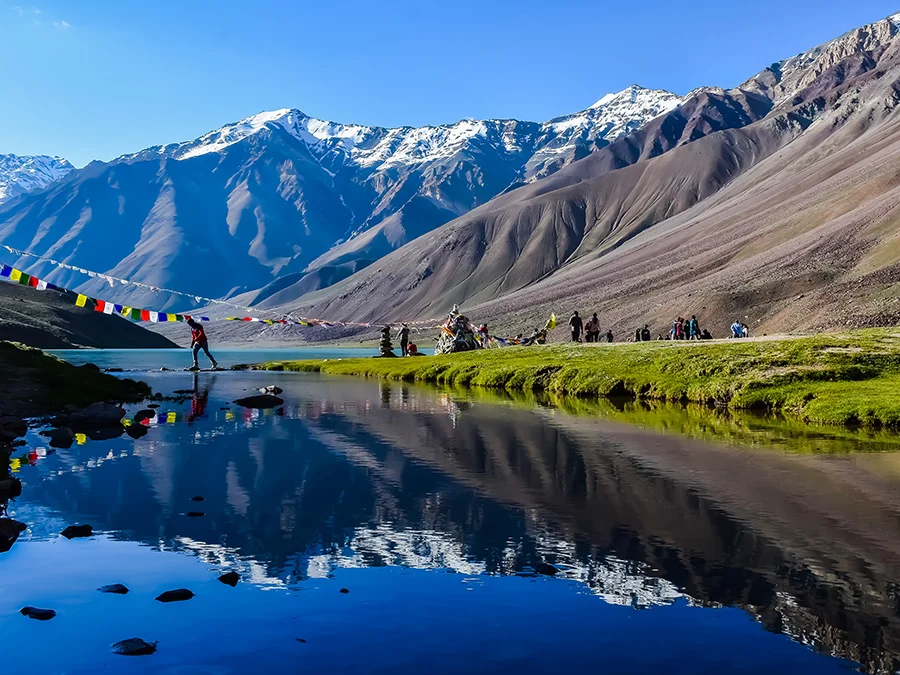
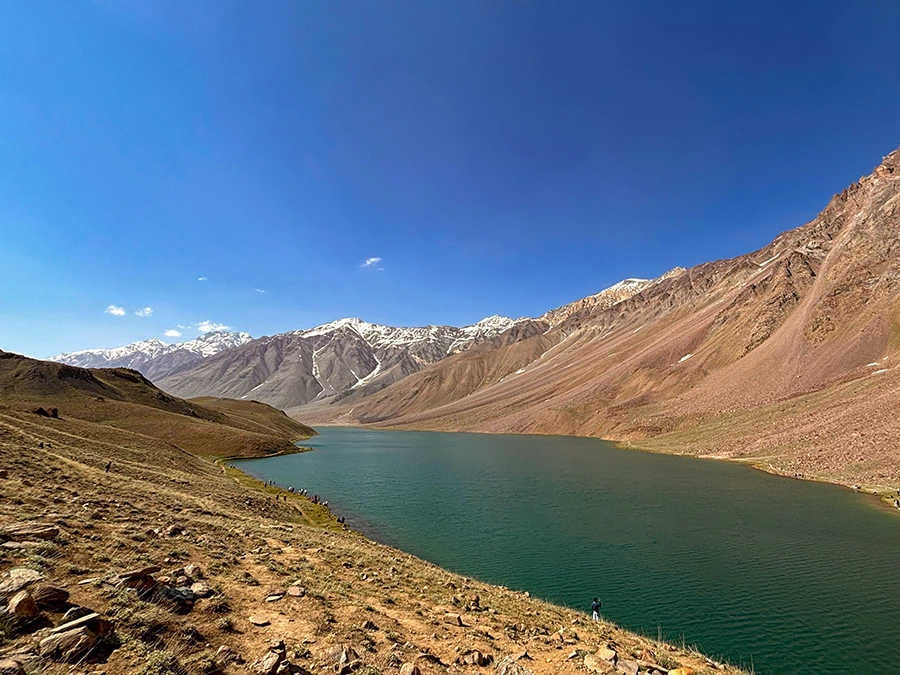
The Hampta Pass and Chandratal Trek combination is extremely popular. Chandratal, meaning Moon Lake, sits at an altitude of about 14,100 ft and is known for:
- Crystal-clear blue water
- Reflection of surrounding peaks
- A peaceful, almost surreal atmosphere
Visiting Chandratal after crossing Hampta Pass feels like a grand finale to the trek.
Best Time to Do Hampta Pass Trek
June
- Snow-covered trails
- Snow walls near the pass
- Ideal for snow lovers
July – August
- Lush green meadows
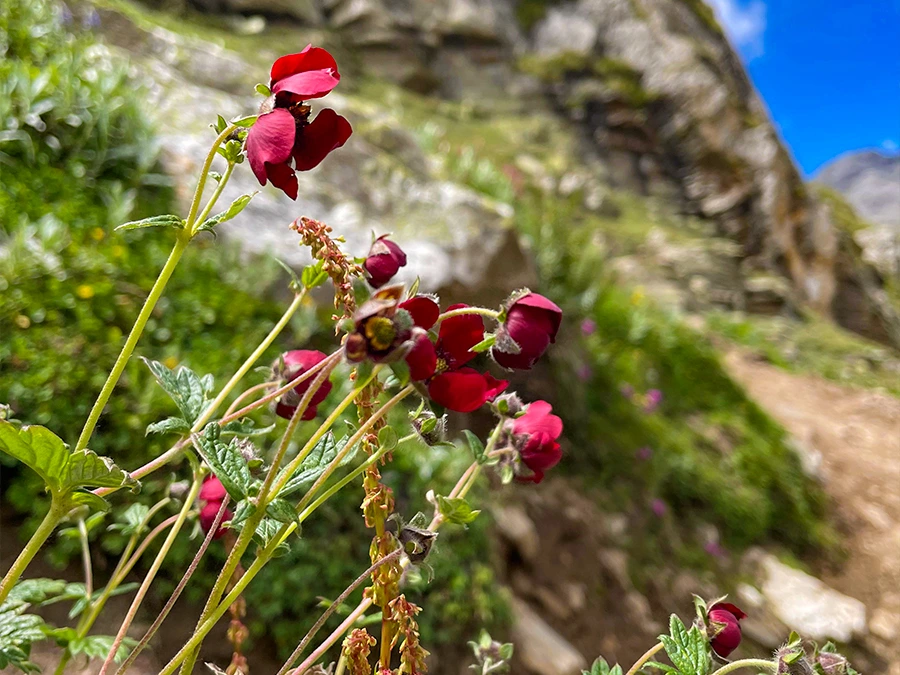
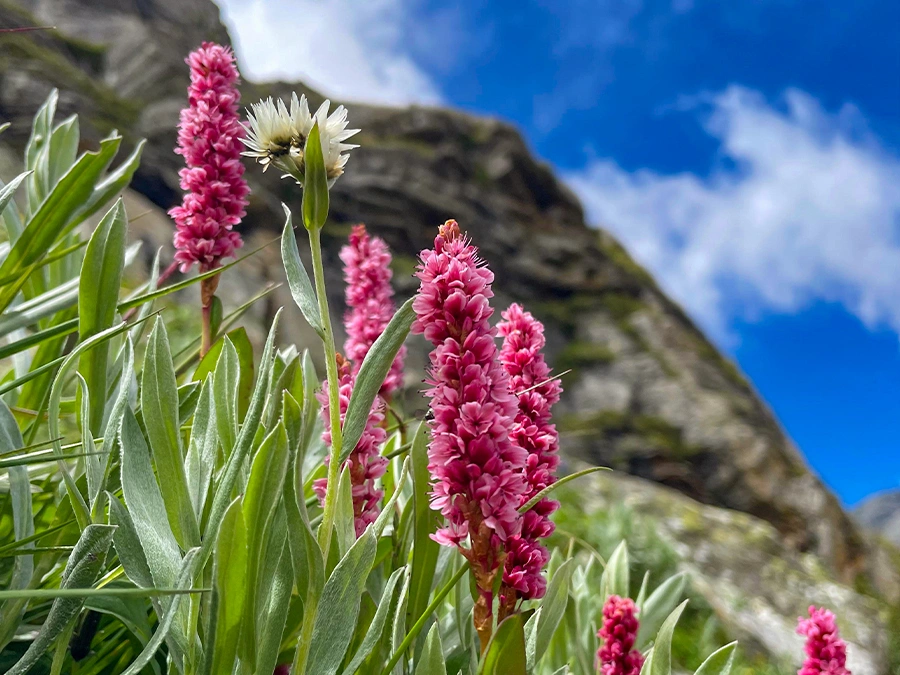
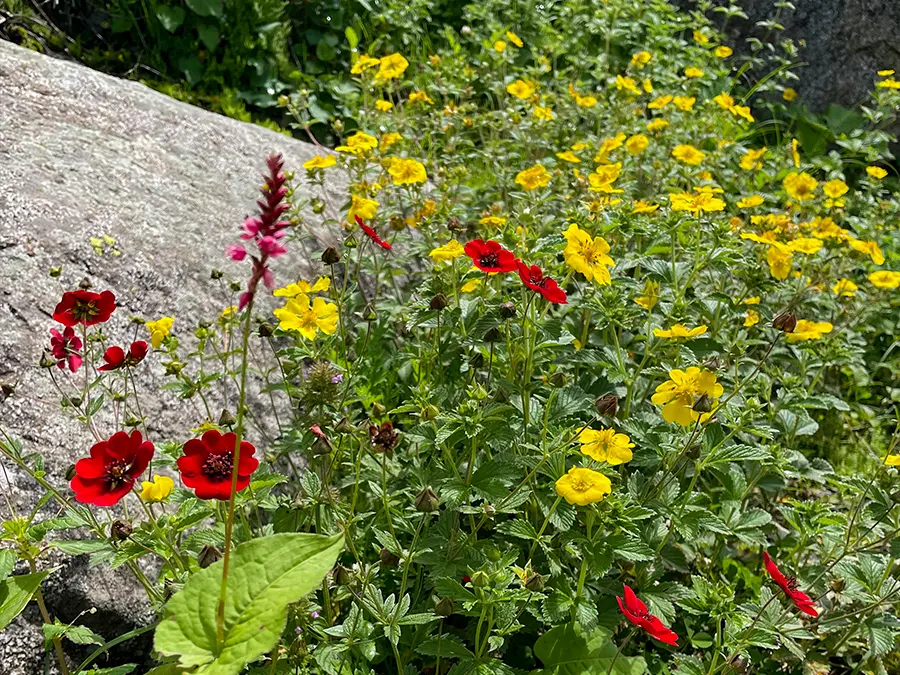
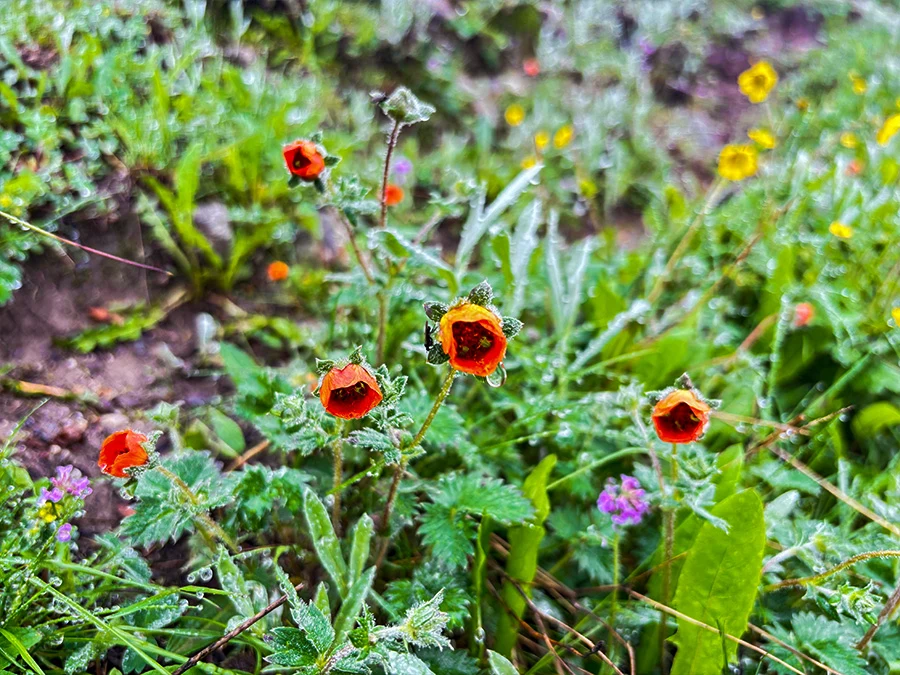
- Wildflowers in bloom
- Occasional monsoon showers
September
- Clear skies
- Stable weather
- Sharp mountain views
Not recommended from October to May due to heavy snowfall and closed routes.
Hampta Pass Trek Difficulty Level
The trek is classified as Easy to Moderate, making it suitable for:
- Beginners with basic fitness
- First-time Himalayan trekkers
- Experienced trekkers looking for a short adventure
Challenges include:
- Steep ascent on pass day
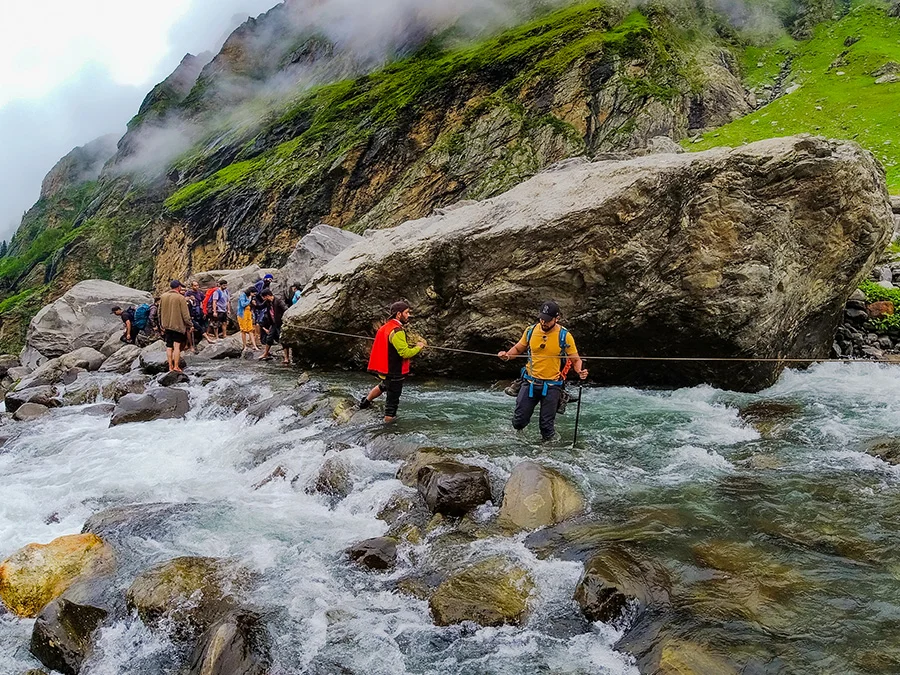
- River crossings
- Snow walking (early season)
Physical Fitness Required
To enjoy the trek comfortably, trekkers should be able to:
- Walk 6–8 km per day with a backpack
- Jog or brisk walk for 30 minutes continuously
- Have basic leg strength and stamina
Regular cardio and leg workouts for 3–4 weeks before the trek are recommended.
Hampta Pass Trek Package – What’s Included
Most organized trek packages include:
- Accommodation (tents / guesthouse)
- All meals during the trek
- Certified trek leader and support staff
- Trekking permits and forest fees
- Safety equipment (oxygen, first-aid)
Manali stay, personal gear, and travel to Manali are usually excluded.
What to Pack for Hampta Pass Trek
Clothing
- Down jacket
- Fleece layers
- Waterproof jacket
- Trek pants
- Thermal wear
Gear
- Trekking shoes with good grip
- Backpack with rain cover
- Trekking poles
- Sunglasses and sunscreen
Essentials
- Water bottles
- Headlamp
- Personal medicines
Wildlife and Flora
The region is home to:
- Himalayan marmots
- Mountain goats
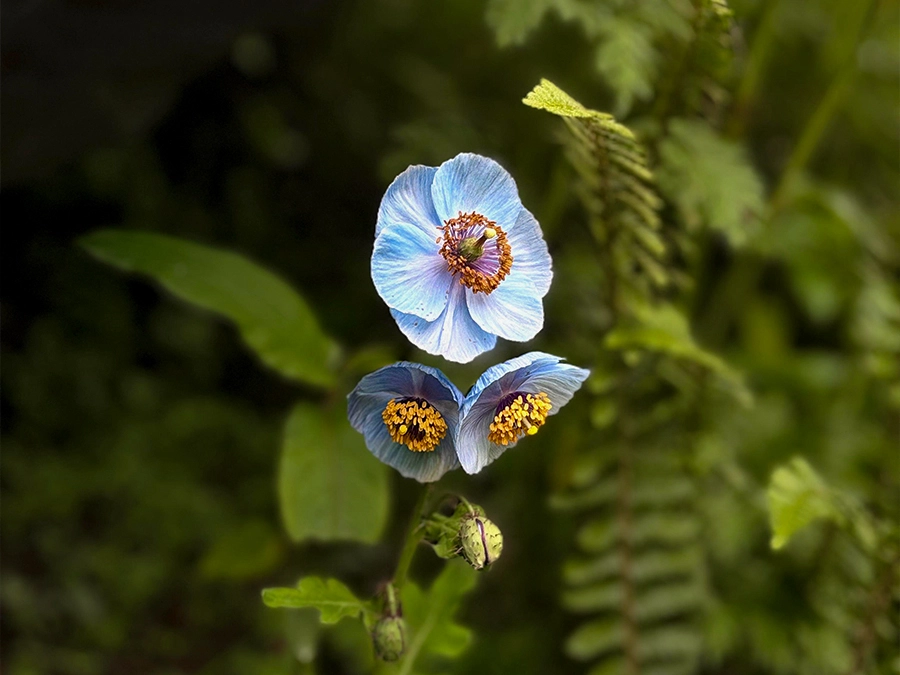
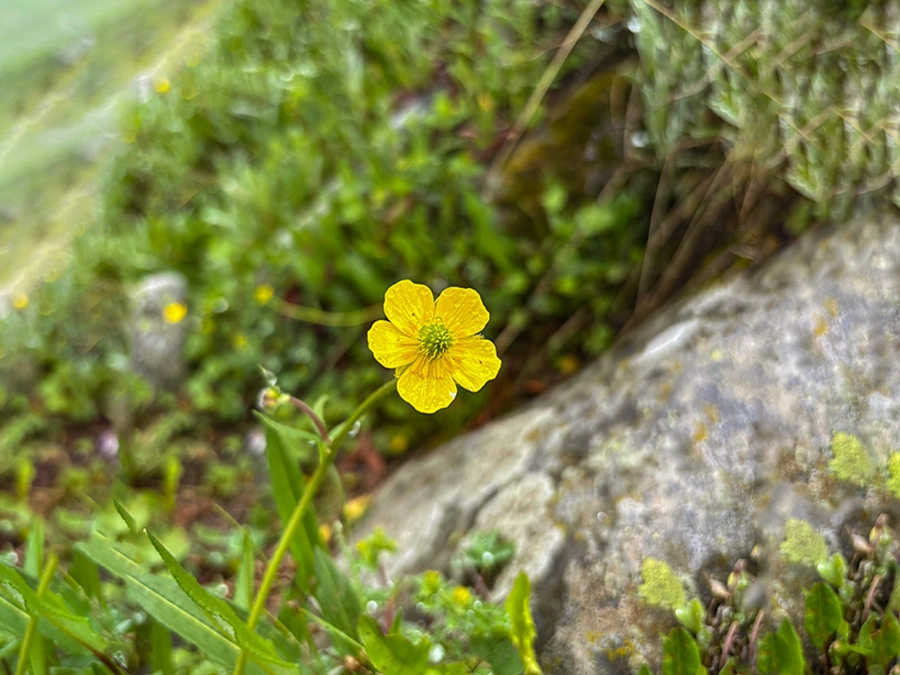
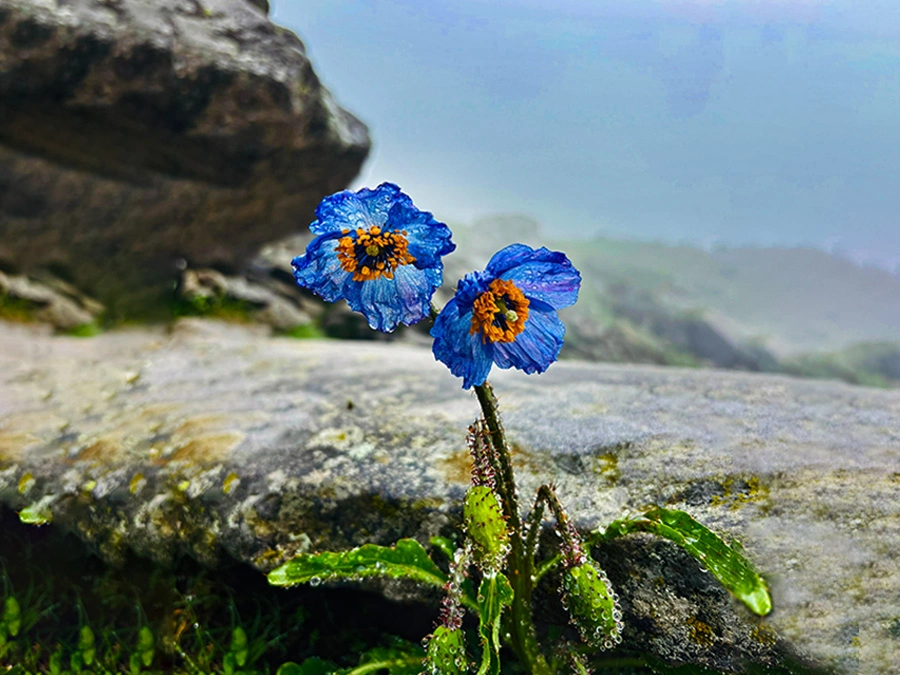
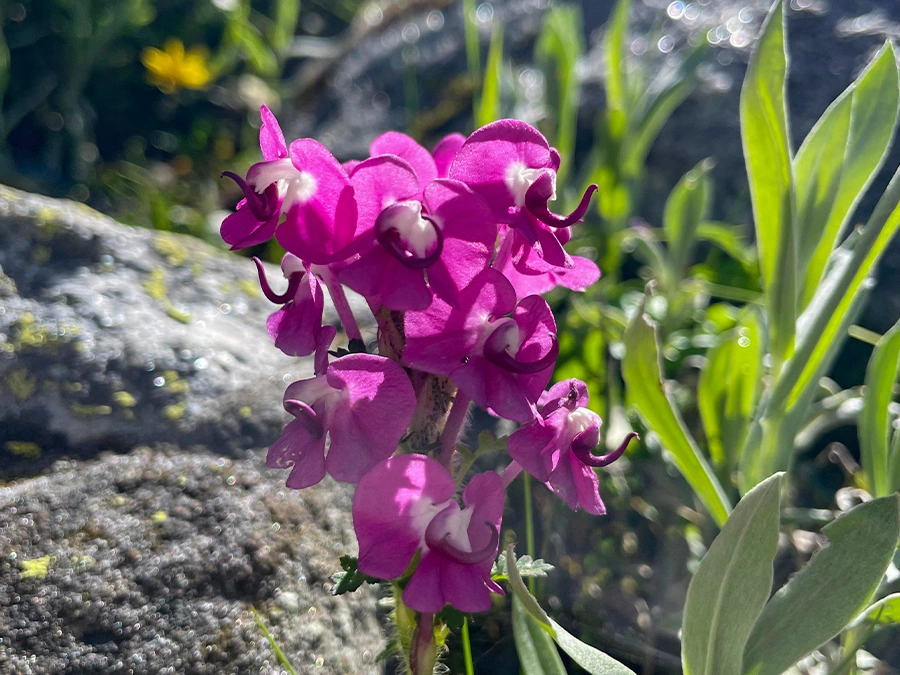
- Rare alpine flowers
- Pine, oak, and birch forests
Though sightings are rare, the ecosystem is rich and diverse.
Permits and Regulations
Trekking permits are required as the route passes through forest land. These are generally arranged by trek organizers. Independent trekkers must obtain permits from local authorities in Manali.
Who Should Do Hampta Pass Trek?
Beginners wanting their first Himalayan pass
Adventure lovers short on time
Nature photographers
Trekkers wanting snow + meadows + desert landscapes
Final Thoughts
The Hampta Pass Trek is a perfect blend of accessibility, adventure, and natural beauty. From walking through green valleys to crossing a snow-covered pass and ending in the raw terrain of Spiti, the trek offers an experience far greater than its short duration suggests.
Whether you’re trekking for the first time or looking for a scenic Himalayan escape, Hampta Pass promises memories that last a lifetime—especially when paired with the tranquil beauty of Chandratal Lake.
Where is Hampta Pass located?
Hampta Pass is located in Himachal Pradesh, connecting the lush Kullu Valley (near Manali) with the cold desert region of Lahaul–Spiti. It lies at an altitude of approximately 14,100 feet in the Pir Panjal range of the Himalayas.
What is the height of Hampta Pass Trek?
The maximum altitude of the Hampta Pass Trek is around 14,100 ft (4,298 meters). Despite this height, the gradual ascent makes acclimatization easier compared to other high Himalayan treks.
What is the distance of Hampta Pass Trek?
The total trekking distance is approximately 25–28 km, depending on the exact campsite locations and route variations.
What is the temperature during Hampta Pass trek?
Temperatures vary by season:
Day: 10°C to 15°C
Night: 0°C to -5°C (can drop further near the pass)
Warm clothing is mandatory.
Does Hampta Pass trek have snow?
Yes, snow is usually present from June to early July, especially near the pass. Snow conditions reduce by August, making the trek greener and less slippery.
What is the best time to do Hampta Pass Trek?
The best time to do the Hampta Pass Trek is from June to September.
June: Snow-covered trails and snow walls
July–August: Green meadows and wildflowers
September: Clear skies and stable weather